Background: A record of betrayal
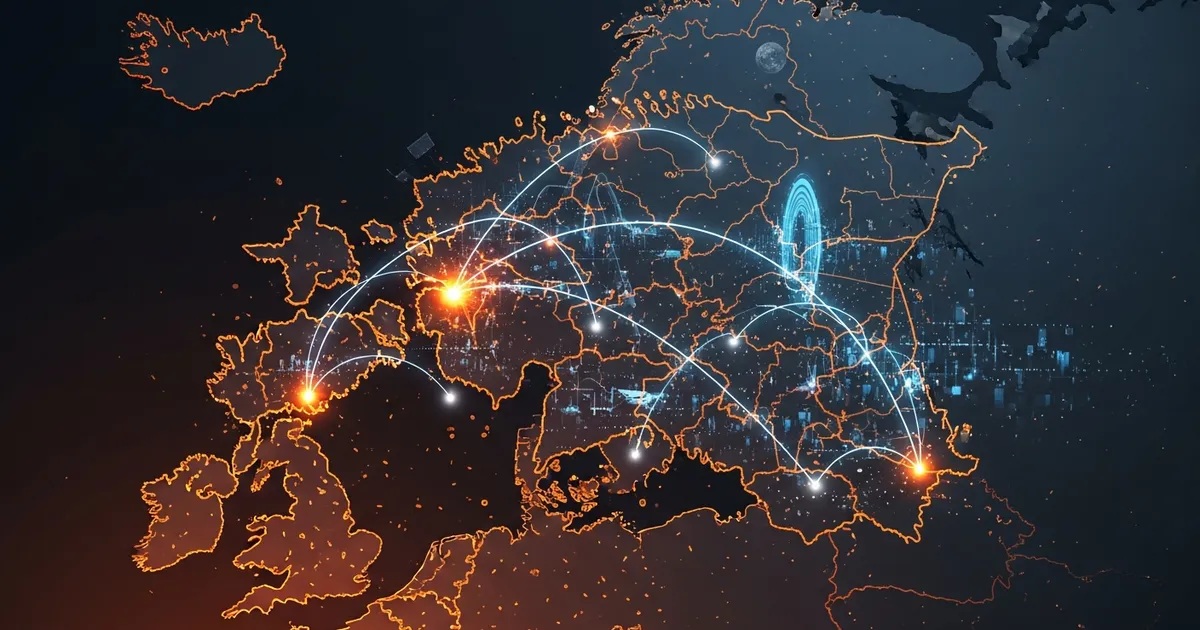
In December 2013, Estonia’s Internal Security Service, known as KAPO, made a startling announcement. The agency revealed it had arrested a record number of individuals—ten in total since 2008—for treason and illegal intelligence gathering on behalf of Russia. Four of those arrests occurred in 2013 alone, signaling an intense and successful year for Estonian counter-intelligence. This wasn't a single dramatic raid but the culmination of years of patient work unmasking deep-rooted betrayal within the country's most sensitive institutions.
The announcement pulled back the curtain on the persistent and aggressive nature of Russian intelligence operations against its small Baltic neighbor. As a frontline NATO and European Union member sharing a border with Russia, Estonia has long been a primary target for Moscow's intelligence services. The cases exposed a campaign not of sophisticated cyberattacks, but of classic human intelligence (HUMINT), exploiting greed and access to compromise national and allied security from the inside.
Technical details: The human attack vector
Unlike state-sponsored cyber campaigns that exploit software vulnerabilities, these operations exploited human ones. The individuals arrested were not hackers but insiders with legitimate access to classified government, defense, and intelligence information. The methods employed were hallmarks of traditional espionage tradecraft.
The primary attack vectors included:
- Recruitment and Co-option: Russian intelligence services, primarily the SVR (Foreign Intelligence Service) and FSB (Federal Security Service), targeted individuals in sensitive positions. According to KAPO, financial gain was the overwhelming motivator, with agents being paid to betray their country. This highlights a pragmatic and effective recruitment strategy focused on exploiting personal vulnerabilities rather than complex ideological alignment.
- Insider Threat: The spies leveraged their trusted positions to exfiltrate sensitive data. Prominent cases included Herman Simm, a former head of security at the Estonian Ministry of Defence, and Aleksei Dressen, a high-ranking officer within KAPO itself. Their legitimate credentials allowed them to access and copy highly classified documents related to Estonian, NATO, and EU defense planning without raising immediate alarms.
- Covert Communications: Information was passed to Russian handlers using time-tested espionage techniques. These included dead drops, encrypted messages, and clandestine meetings in third countries to avoid surveillance on home soil. Vladimir Veitman, a former KAPO expert sentenced in 2013, passed secrets to the SVR for nearly two decades using such methods.
While these were fundamentally HUMINT operations, they have significant cybersecurity relevance. The compromised information—defense plans, intelligence reports, and security protocols—was almost certainly in digital format. The cases underscore that even with the most advanced firewalls and intrusion detection systems, a compromised human with high-level access can walk classified data right out the door on a USB drive. Modern counter-intelligence relies heavily on digital forensics and communications analysis to track suspects, making the digital footprint of spies a critical component of any investigation.
Impact assessment: A breach with alliance-wide consequences
The impact of this espionage campaign was severe and far-reaching, extending well beyond Estonia’s borders. The primary victims were not just Estonian agencies but the collective security of the West.
Affected Organizations:
- Estonian Government: The Ministry of Defence, Ministry of Foreign Affairs, and KAPO itself were deeply compromised, leading to a profound crisis of trust and forcing extensive internal security reviews.
- NATO and the European Union: This was the most critical impact. The case of Herman Simm, arrested in 2008 but central to the 2013 revelations, was catastrophic. Simm leaked thousands of pages of classified NATO and EU documents to Russia's SVR. This compromised intelligence-sharing agreements, exposed allied defense capabilities, and potentially endangered intelligence sources across the alliance.
The severity of the breaches cannot be overstated. When a trusted insider at a high level turns, they provide an adversary with a comprehensive view of not just what their own country knows, but what its allies know as well. As KAPO Director Arnold Sinisalu stated in 2013, “Russia's intelligence services continue to be highly active in Estonia and remain the main threat to Estonia's security.” The successful prosecutions sent a strong message of deterrence but also laid bare the vulnerabilities inherent in alliances built on shared trust.
How to protect yourself: Lessons from the front line
While individuals are rarely the direct targets of such high-level state espionage, the principles of defense employed by nations can be scaled to protect organizations from determined insider threats.
- Implement a Robust Insider Threat Program: This goes beyond initial background checks. It requires continuous evaluation of personnel with access to sensitive data, monitoring for behavioral red flags, and creating a culture where employees feel safe reporting suspicious activity. The Estonian cases show that long-serving, trusted employees can be the most damaging threats.
- Enforce the Principle of Least Privilege: Employees should only have access to the information and systems absolutely necessary to perform their duties. Segmenting networks and data repositories can limit the scope of a breach if an insider is compromised. If a spy only has access to a small piece of the puzzle, the damage they can inflict is significantly reduced.
- Monitor Data Access and Exfiltration: Deploy Data Loss Prevention (DLP) tools to track and control the movement of sensitive information. Monitor for unusual activity, such as large data transfers to external devices, access to files outside an employee’s normal responsibilities, or attempts to access data at odd hours.
- Secure Digital Communications: For organizations with employees who travel or handle sensitive information remotely, securing communication channels is vital. Using strong encryption and a reputable VPN service can protect data in transit from being intercepted on insecure public Wi-Fi networks, which are common hunting grounds for intelligence services.
- Conduct Regular Security Awareness Training: Train employees to recognize social engineering, phishing attempts, and elicitation techniques used by adversaries to gather information or recruit sources. An aware workforce is the first line of defense.
The unmasking of Russia's spy network in Estonia serves as a stark reminder that the human element remains a critical vector in national security. The threat is not historical; Estonia has continued to arrest individuals for spying for Russia in the years since, demonstrating that for frontline states, the shadow war never ends.